



Shuifu Hanyang Fasteners Co., Ltd. brings you all the information about automotive bolts
What are the bolts on a car?
A bolt in a car is a threaded fastener used to securely connect two or more components.
They are usually paired with nuts or threaded holes to establish a secure and reliable connection.
Bolts are used to withstand enormous loads and are crucial for parts such as engines, suspensions, and wheel components.
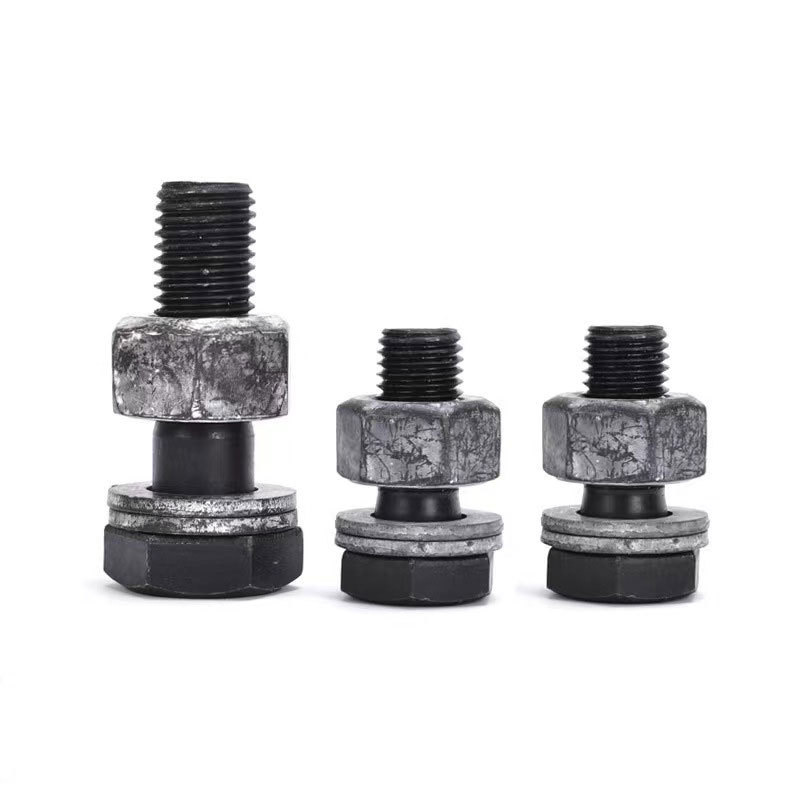
What is a bolt? What is its purpose?
A bolt is a cylindrical fastener with external threads, typically used in conjunction with a nut.
The main function of bolts is to clamp the various components together, ensuring stability and preventing movement.
Bolts are widely used in the automotive industry to connect metal, plastic, or composite components.
Components of bolts
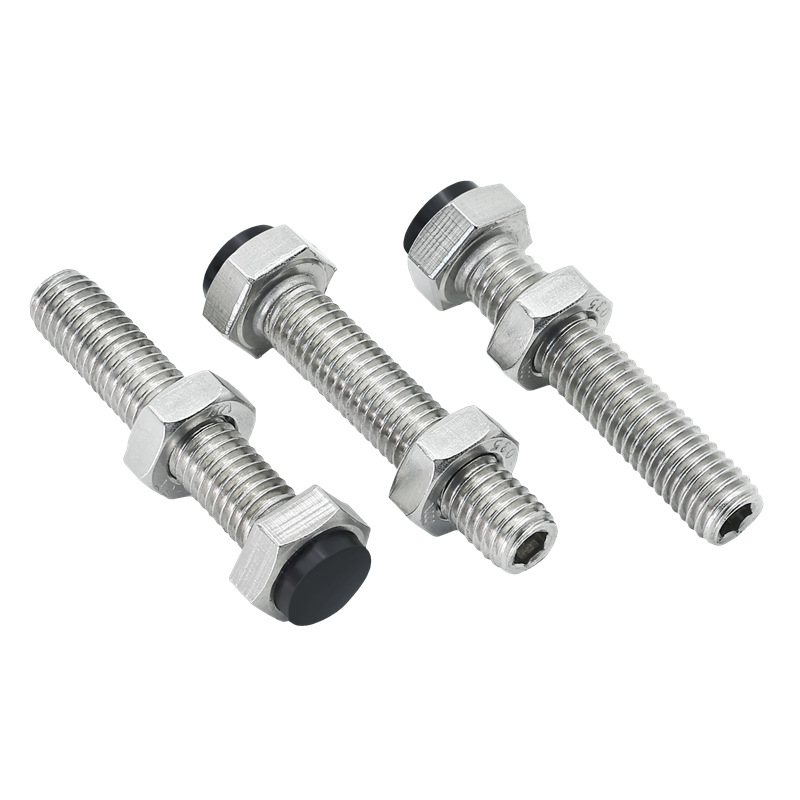
A typical bolt consists of three main parts:
Head: Top, providing a surface for applying torque using tools such as wrenches or sockets.
Handle: The smooth, unthreaded portion of a bolt used to align with the fastened component.
Thread: Spiral ridges enable bolts to engage with nuts or threaded holes, ensuring a secure fit.
Common materials and coatings for automotive bolts
The material of automotive bolts affects their strength, corrosion resistance, and performance under stress.
| Automotive bolt materials | characteristic |
| Steel bolts | The most commonly used material, with high strength and durability. |
| Stainless steel bolt | Resistant to rust and corrosion, very suitable for exposed components such as exhaust systems. |
| Aluminum bolt | Lightweight, suitable for applications where weight reduction is crucial. |
| Titanium bolt | Durable and lightweight, typically used in high-performance and luxury vehicles. |
What are the grades of automotive bolts?
The grade of automotive bolts indicates their strength and load capacity, and the higher the grade, the greater the tensile strength.
Grade 5 bolts: commonly used in standard vehicles and suitable for medium strength applications.
Grade 8 bolts: High strength bolts are used for key parts such as engine mounts and suspension systems.
Metric grades (e.g. 8.8, 10.9): suitable for European and Asian vehicles, providing precise strength classification.
Automotive bolts and other fasteners
Bolts, unlike other types of fasteners, are designed and used similarly to screws and studs.
Studs and bolts
A stud is a headless threaded rod used to screw into components with exposed threads at both ends.
Studs are commonly used in areas such as cylinder heads or wheel hubs, making assembly and disassembly easier.
Screws and bolts
A screw is a type of fastener that is directly screwed into a material and typically does not require a nut.
On the other hand, bolts usually require nuts or threaded holes for proper installation.
Screws are used for lightweight applications, while bolts can withstand higher loads and structural connections.
How to measure bolt size?
The bolt size is determined by three main factors:
Diameter: The thickness of a bolt rod, measured in millimeters or inches.
Length: The distance from the bottom of the head to the tip of the bolt.
Pitch: The distance between threads, usually measured in millimeters for metric bolts.
How are bolts manufactured?
The bolt is manufactured through a series of precise processes:
Step 1: Material selection: Choose the appropriate metal or alloy based on strength and corrosion resistance.
Step 2: Forming: Cutting and forming the bolt blank through forging or mechanical processing.
Step 3: Thread: Use rolling or cutting techniques to add threads to achieve consistent dimensions.
Step 4: Heat treatment: Enhance the strength of bolts through heat treatment processes such as quenching and tempering.
Step 5: Coating: Apply a protective layer to resist corrosion and enhance durability.