



Shuifu Hanyang Machinery Technology Co., Ltd. takes you to understand
1, Different processing principles
The protection principle of zinc is that there are two mechanisms for its corrosion resistance: mechanical protection and electrochemical protection;
When subjected to corrosion, there is a basic zinc carbonate protective film and ZnO, Zn (OH) 2 on the surface of the zinc layer; It can reduce the degree
of corrosion, and if this protective film (i.e. "white rust") is damaged, it will form a new film layer. If the galvanized layer is severely damaged and is about
to corrode to the iron substrate of the workpiece, zinc will provide electrochemical protection to the iron substrate of the workpiece. The standard
potential of zinc is -0.76V, and the standard potential of iron is -0.44V. When zinc and iron form a micro battery, zinc will dissolve as the anode and iron
will be protected as the cathode.
Electrogalvanizing is the process of using chemical principles to separate zinc alloy into zinc ions, which adhere to the surface of the workpiece.
Generally, the electroplated zinc zinc layer is very thin, and the workpiece processed by electroplating is easily corroded in general environments.
Generally, electroplating galvanizing is used for anti-corrosion of various steel products and structures. The zinc content in the galvanized layer of
electroplating galvanizing is very low, only 10-50g per square meter.
2, Essentially different
Hot dip galvanizing, also known as hot-dip galvanizing, is a galvanizing method that involves immersing steel components in molten zinc to obtain a
zinc coating. After degreasing, pickling, dipping, and drying the steel components, immerse them in molten zinc solution for a certain period of time,
and then remove them.
Electrogalvanizing, also known as cold galvanizing, is the process of using electrolytic equipment to remove oil and acid from the workpiece that needs
to be processed, then placing it in a solution composed of zinc salts, and connecting it to the negative electrode of the electrolytic equipment; Place a
zinc plate on the opposite side of the processed workpiece and connect it to the positive electrode of the electrolysis equipment. Connect the power
supply and use the directional movement of current from the positive electrode to the negative electrode to gradually deposit a layer of zinc on the
surface of the processed workpiece.
3, Different appearance
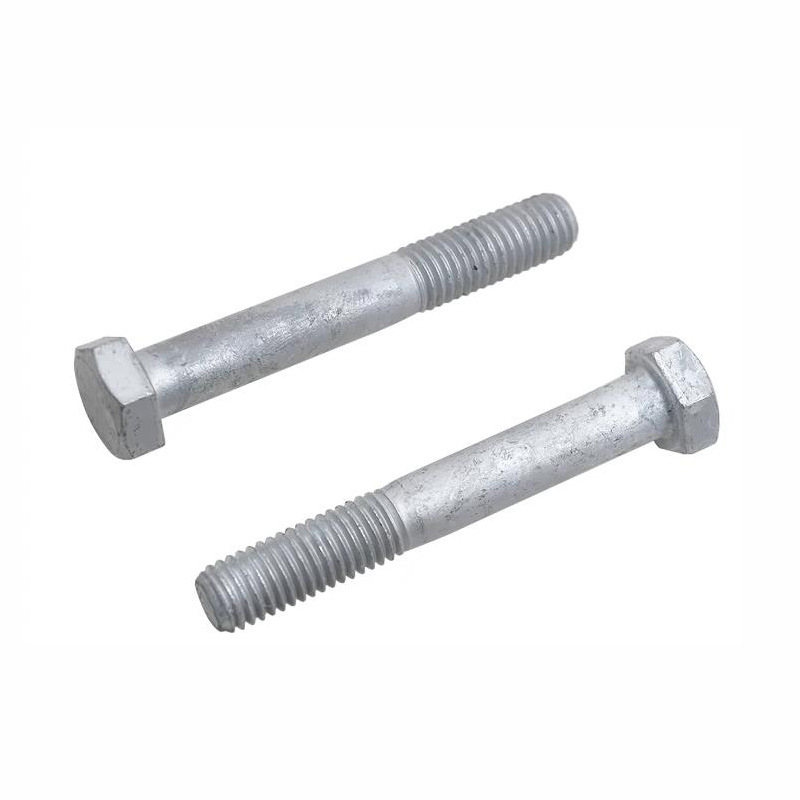
Hot dip galvanizing is usually darker in color, slightly rougher, and less smooth than cold galvanizing due to the thicker zinc layer and the possibility of
bubbles on the surface during galvanizing. Its appearance is usually silver white and prone to process water marks and a few droplets. Hot dip
galvanized steel pipes usually have blue ink printed hoops on both ends, and the whole body is equipped with standard and specification models.
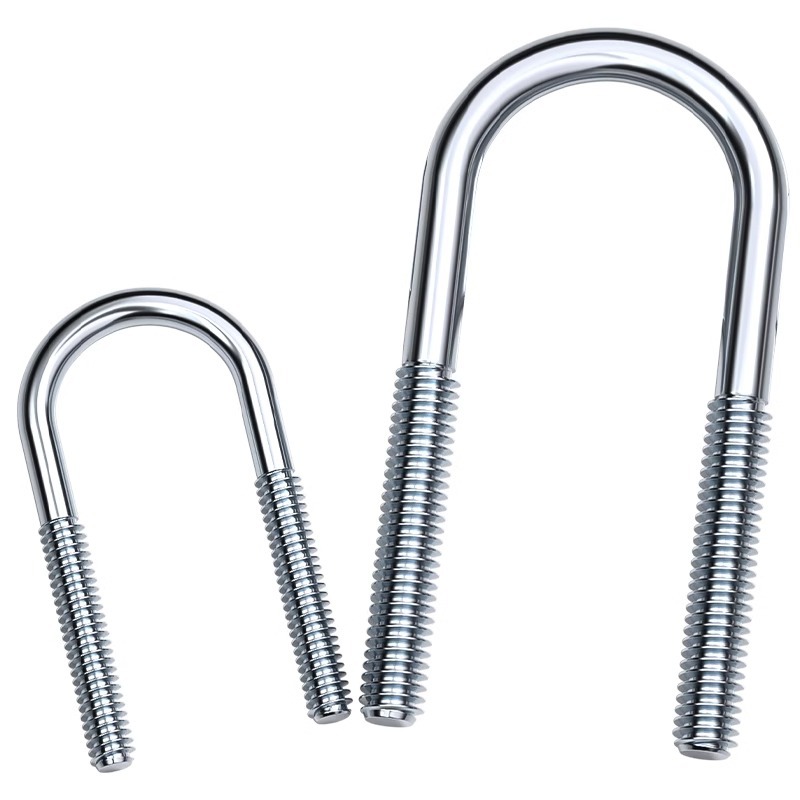
The surface of electroplated zinc is relatively smooth, bright, uniform, and flat. The electroplating layer using color passivation technology is generally
yellow green as the main color, showing seven colors. The electroplating layer using the white passivation process appears greenish blue or white,
while the coating using the white passivation process appears slightly colorful at a certain angle to sunlight. Electroplated galvanized steel pipes only
have a slight zinc layer on both ends, and there is no zinc layer further inside. The two ends of the galvanized steel pipe are equally smooth without any
zinc nodules, and the appearance of the steel pipe does not comply with the standard.
4. Different thicknesses of zinc layer
The galvanized zinc layer after hot-dip galvanizing processing is relatively thick, generally 30-60 microns;
The galvanized zinc layer after electroplating is relatively thin, generally within 5-30 microns;
5. Different service life
The hot-dip galvanizing standard zinc layer can generally be used for more than 20 years;
The zinc layer that meets the standard for electroplating can generally be used for 2-5 years;