



Shuifu Hanyang Machinery Technology Co., Ltd. takes you to understand the differences and advantages of the three
Anodizing is commonly used for surface treatment of aluminum alloys, which utilizes electrochemical principles to generate a transparent water-based
Al2O3 (aluminum oxide) film on the surface of aluminum and aluminum alloys. Then proceed with staining and sealing treatment. Black is a very
common and mature process for anodic dyeing. The anodized film has excellent wear resistance and corrosion resistance. After extreme treatment, the
dyed colors are rich and colorful.

Black electroplating: There are various treatment methods for electroplating, such as galvanizing, nickel plating, chrome plating, gold plating, silver
plating, etc. It refers to a surface processing method in which cations of the metal to be plated are deposited on the surface of the substrate metal
through electrolysis in a salt solution containing the metal to be plated, using the substrate metal as the cathode. The purpose is to serve as decoration,
rust prevention, wear resistance, and other functions. Electroplating colors can be silver or black, but there are not many options for black. And the
electroplated black is slightly yellowish brown, similar to khaki color. The pre-treatment of electroplating is the same, but the difference in plating tank
chemicals during post-treatment can cause color changes.
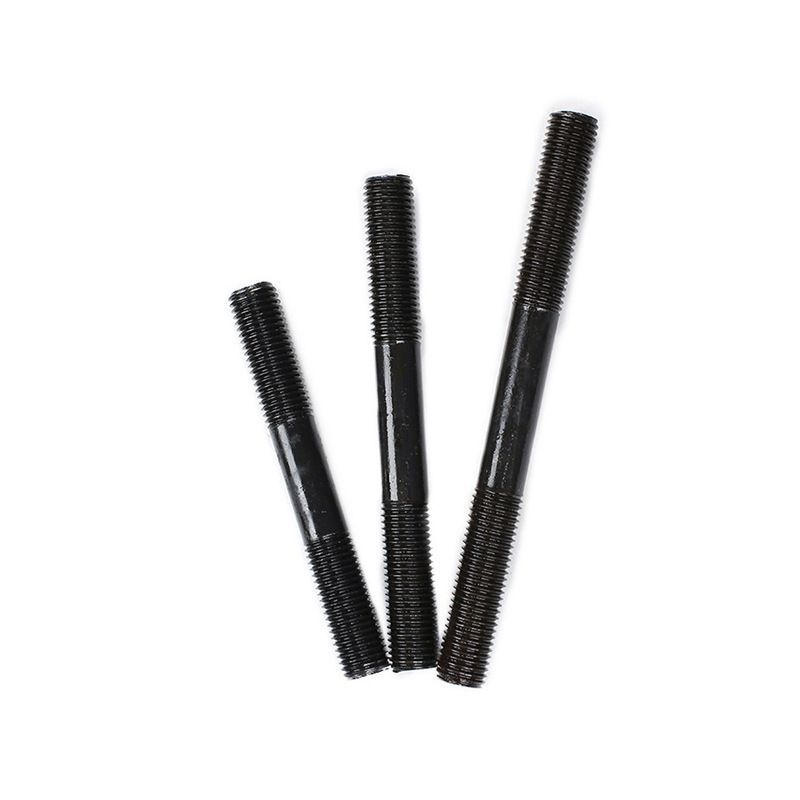
Blackening treatment: Blackening treatment, some people classify it as a type of surface treatment, while others refer to it as a type of heat treatment.
Blackening treatment is the process of heating and oxidizing metal parts in a concentrated solution of alkali and oxidant, resulting in the formation of a
magnetic thin film of iron oxide on the surface of the metal parts. It is commonly used in low-carbon steel and low-carbon alloy tool steel. Due to the
influence of materials and other factors, the film color of the blackened layer includes blue black, black, reddish brown, brown, etc., with a thickness of
0.6-0.8 µ m. The blackened film layer has almost no rust prevention ability. On the basis of additional oil coating, the salt spray test can only pass for 3-
5 hours.