Cobalt-containing straight shank twist drill is a drill bit made of high-speed steel (HSS) as the main material. Its characteristics include cobalt content (usually 5%), which can significantly improve the hardness and wear resistance of the drill bit. It is suitable for drilling holes in various materials such as stainless steel, steel, aluminum, wood, plastic, etc.
Send Inquiry
Description
Technical Parameters
Efficiency leap Precision and stability
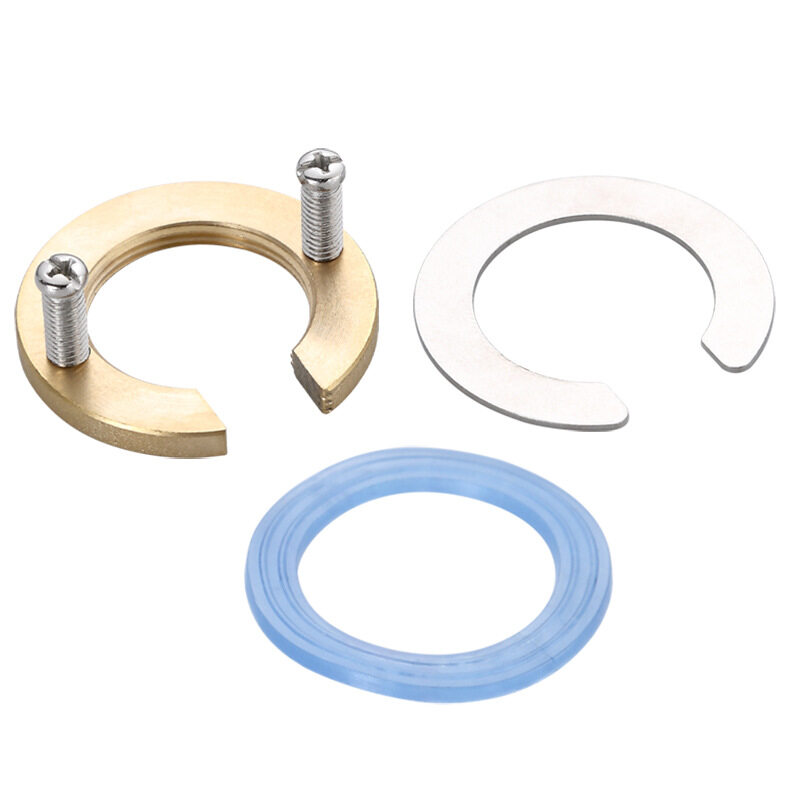
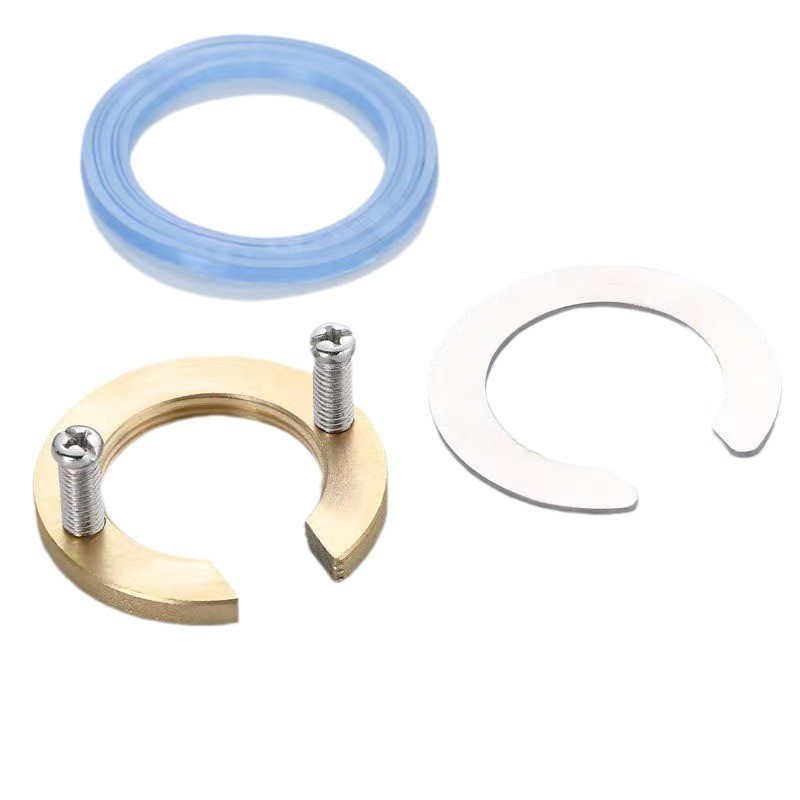
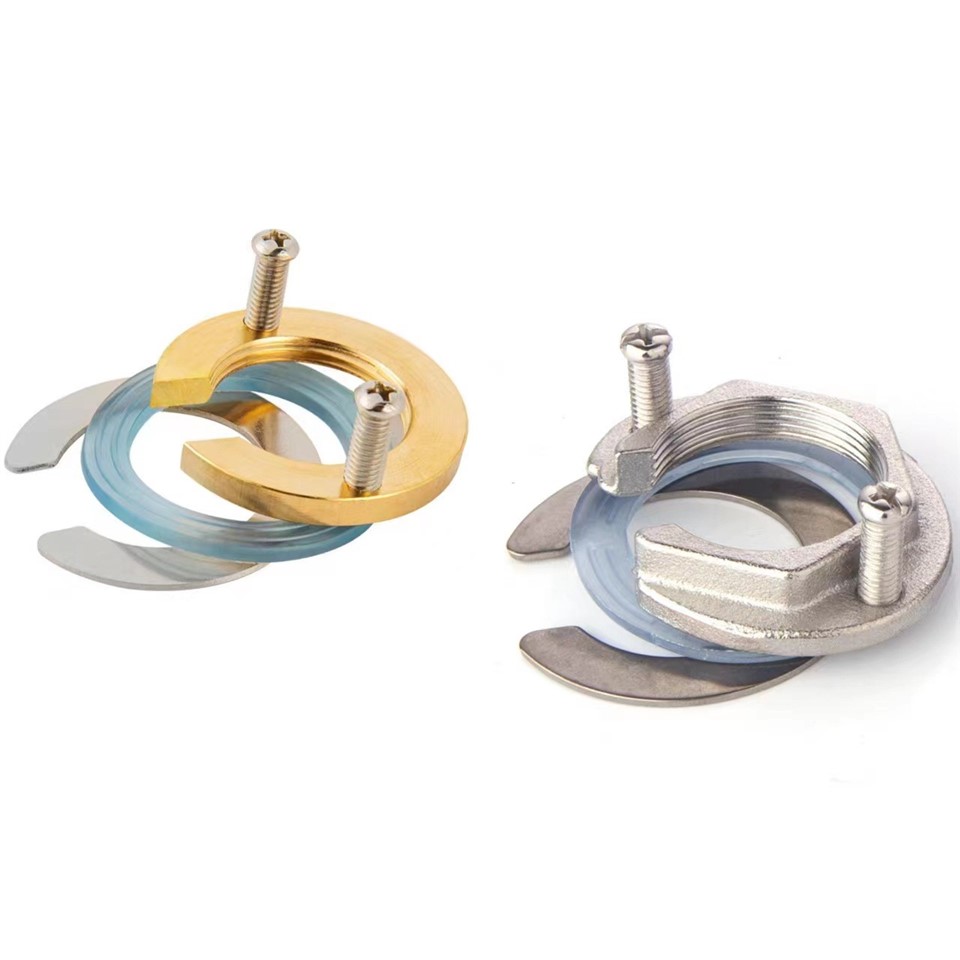
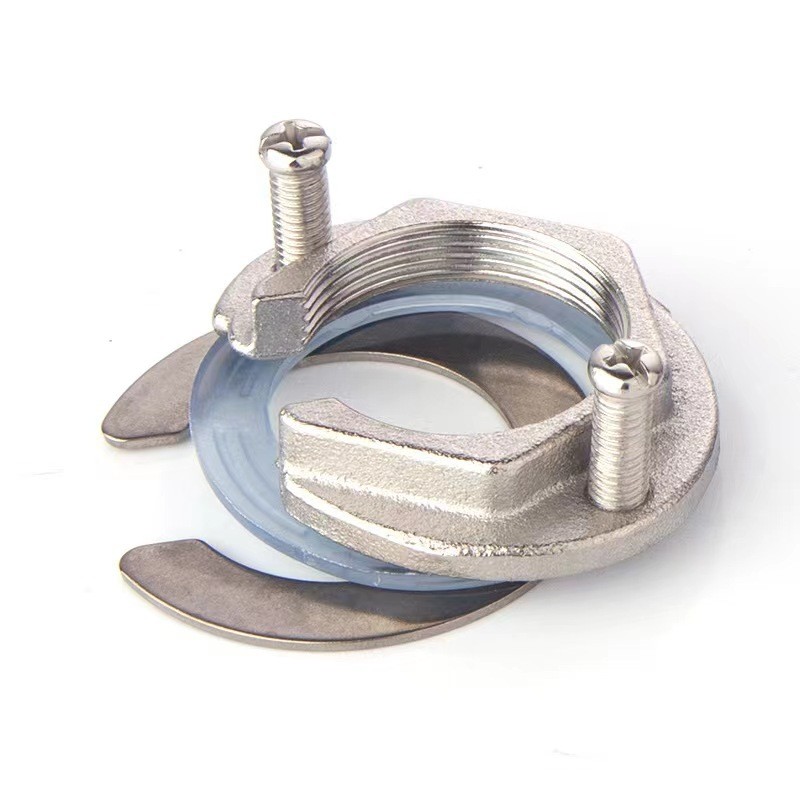
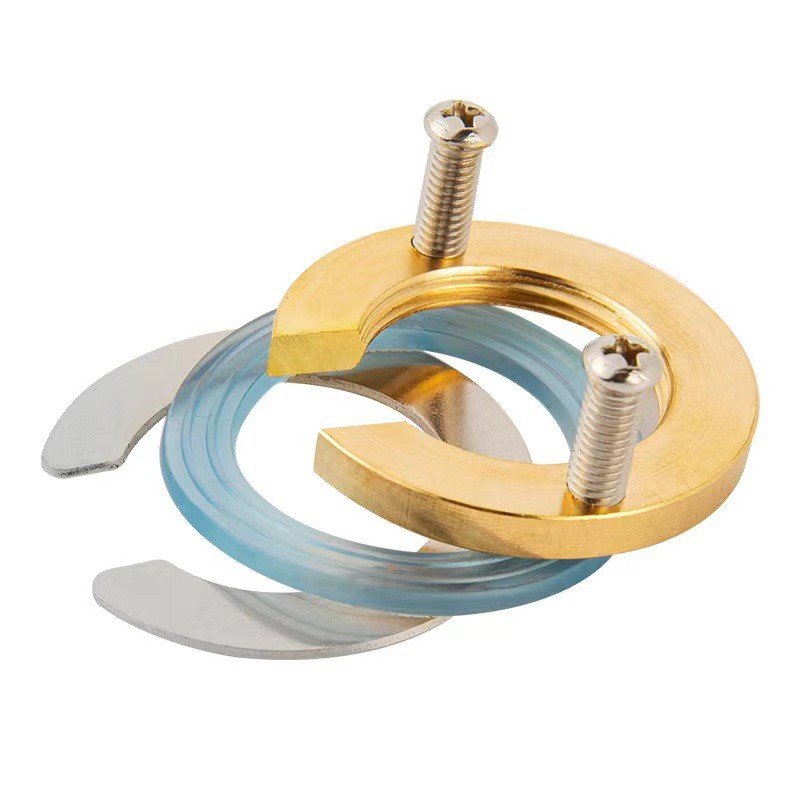
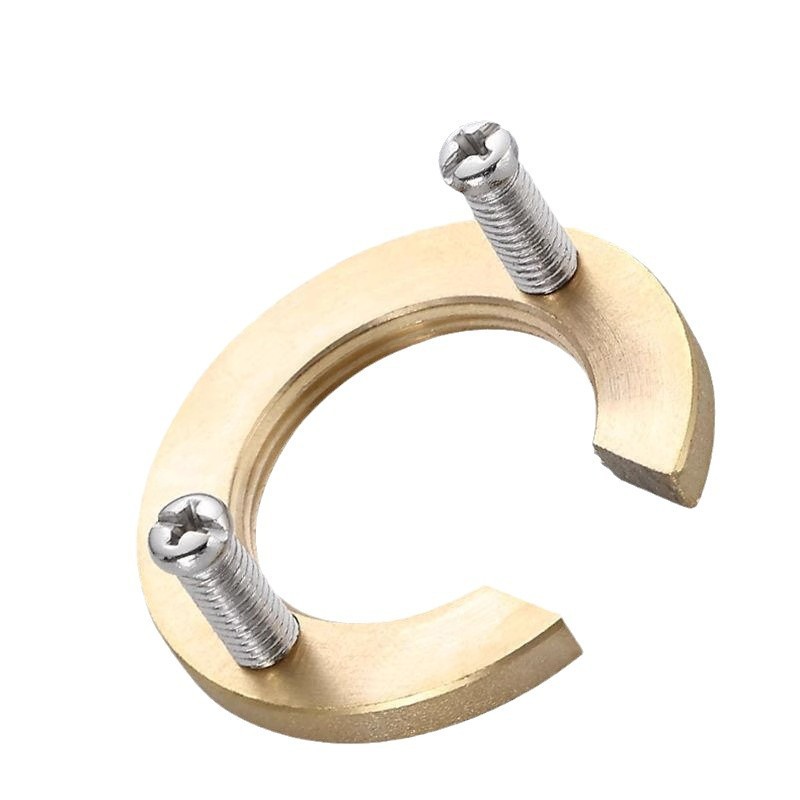
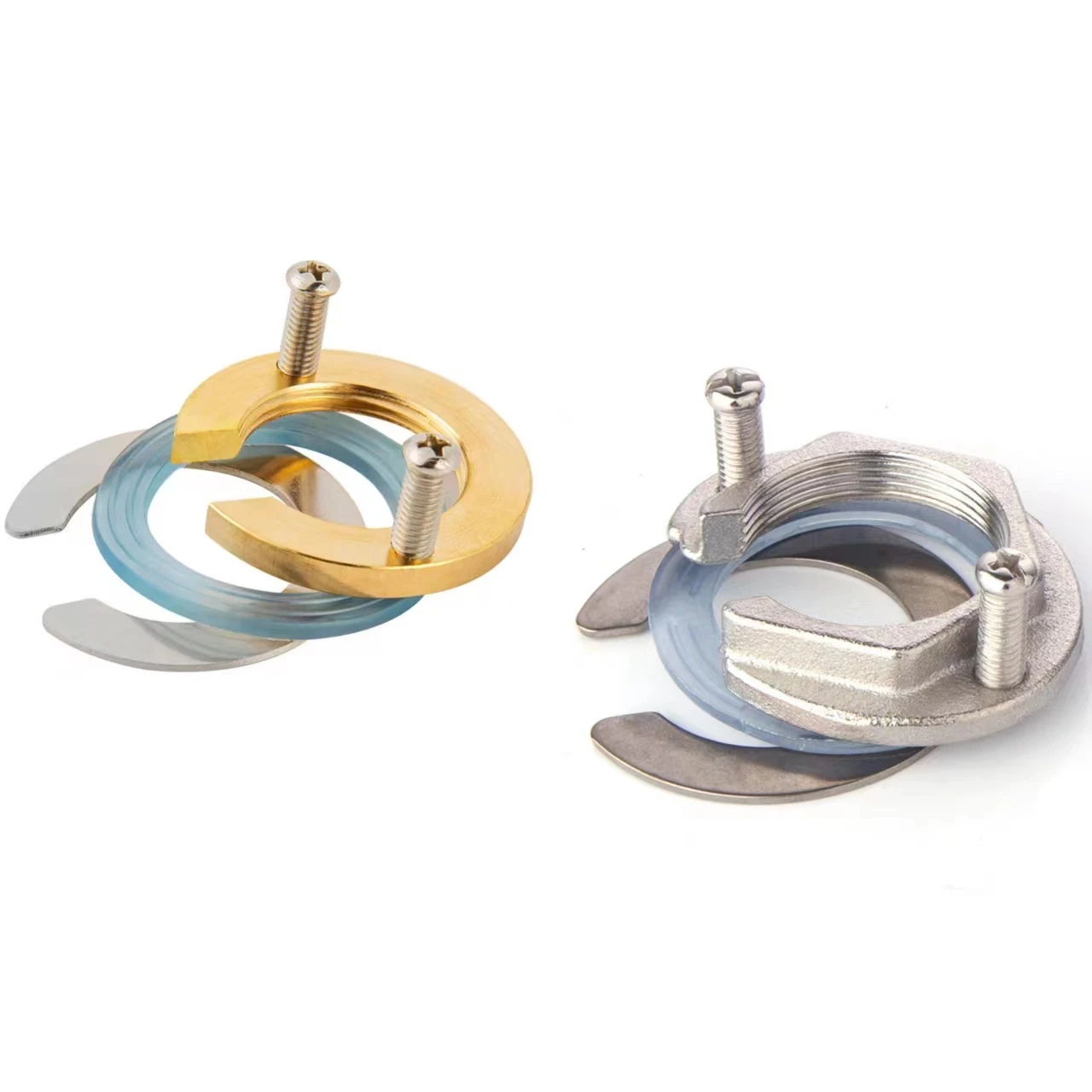
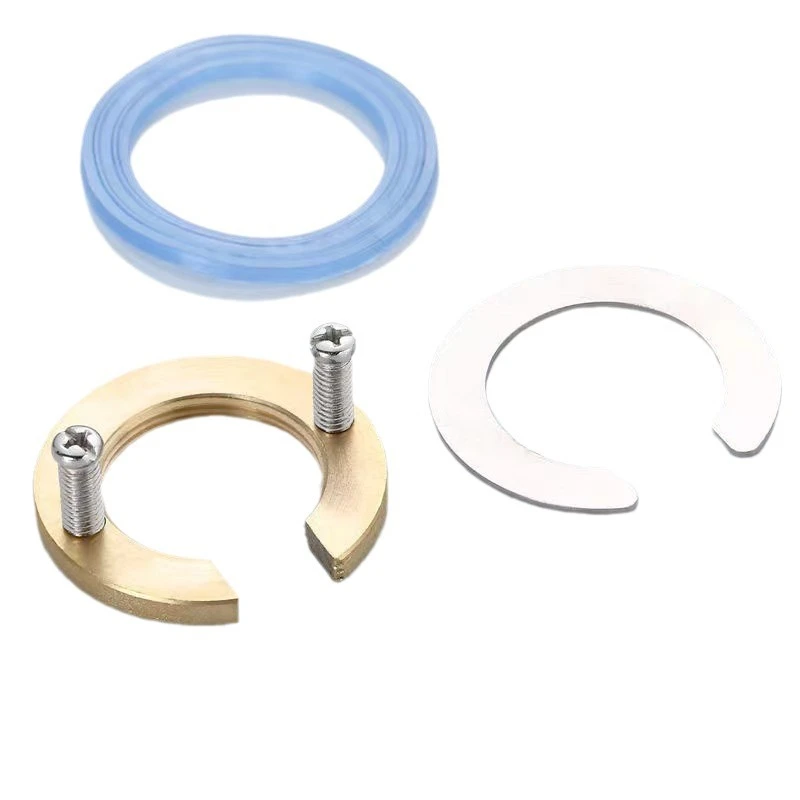
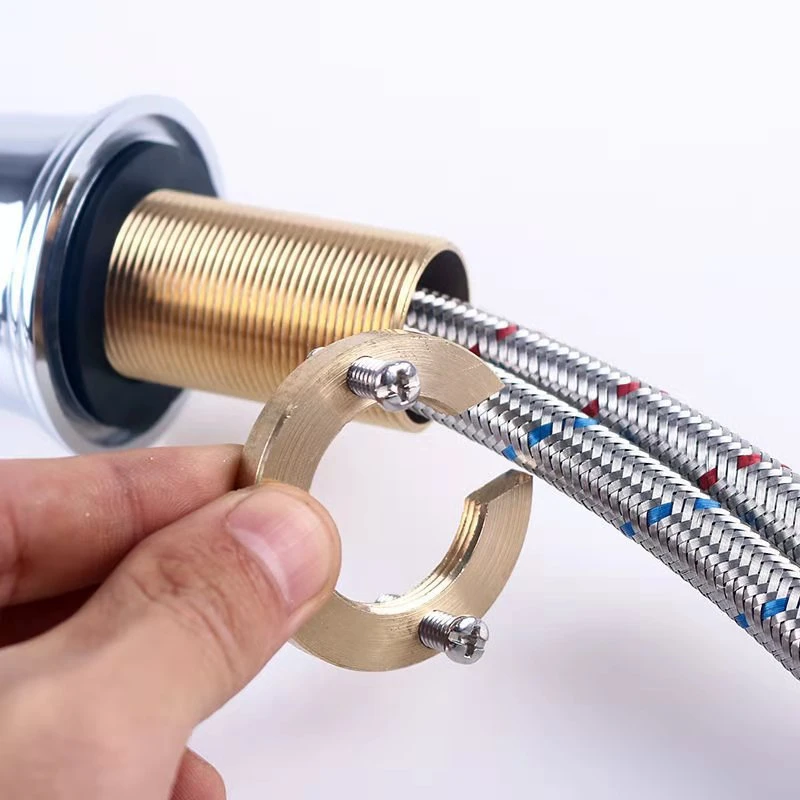
The faucet anti-loosening nut is an accessory used to prevent the faucet from loosening. Its design features include an open structure that can be directly inserted and fixed without removing the hose, making it easy and secure to install. This nut is usually suitable for kitchen and bathroom faucets, hot and cold water faucets, etc. It is made of a variety of materials, such as stainless steel, nylon, copper, etc., and has anti-slip and anti-loosening functions.
Efficiency leap Precision and stability
We are from Chinese suppliers
Specializing in the production of standard and non-standard fasteners
Integrating production, sales and research and development,
Screws, bolts, nuts, washers, springs
Spring and other customized hardware accessories...
Give me relevant data about the product and I can quote you the best price.
Email: yangmin_hanyang@126.com
WeChat/whatsapp: +86 18187087703
FAQ
01.What is a Chain Sprocket?
请替换当前内容 The standard of sprockets can be determined according to different application requirements. The difference between metric sprockets and sprockets built to ANSI standards is that they use different units of measurement for chain specifications.
02.Is metric roller chain sprocket universal?
请替换当前内容 The standard of sprockets can be determined according to different application requirements. The difference between metric sprockets and sprockets built to ANSI standards is that they use different units of measurement for chain specifications.
03.What is the difference between ANSI and Metric Roller Chain Sprockets?
请替换当前内容 of sprockets can be determined according to different application requirements. The difference between metric sprockets and sprockets built to ANSI standards is that they use different units of measurement for chain specifications.
04.How does sprocket size affect torque?
The standard of sprockets can be determined according to different application requirements. The difference between metric sprockets and sprockets built to ANSI standards is that they use different units of measurement for chain specifications.
05.How to choose the size of the sprocket?
The standard of sprockets can be determined according to different application requirements. The difference between metric sprockets and sprockets built to ANSI standards is that they use different units of measurement for chain specifications.
06.Would a lighter sprocket make a difference?
The standard of sprockets can be determined according to different application requirements. The difference between metric sprockets and sprockets built to ANSI standards is that they use different units of measurement for chain specifications.