



What is' bending '?
Applying force to an object to cause it to deform, twist, or bend is called "bending". Generally speaking, when force is applied to an object, the object will
deform under the force. However, when the force is removed, the object will return to its original state. Alternatively, if the applied force exceeds the
allowable limit, the object will lose its original shape and strength, resulting in damage. However, some materials, such as metal, heated resin, and wood,
will deform once subjected to force, and even when the force is removed, they will not return to their original shape and will not lose their original
strength. The processing method that utilizes the characteristics of materials is called "bending processing".
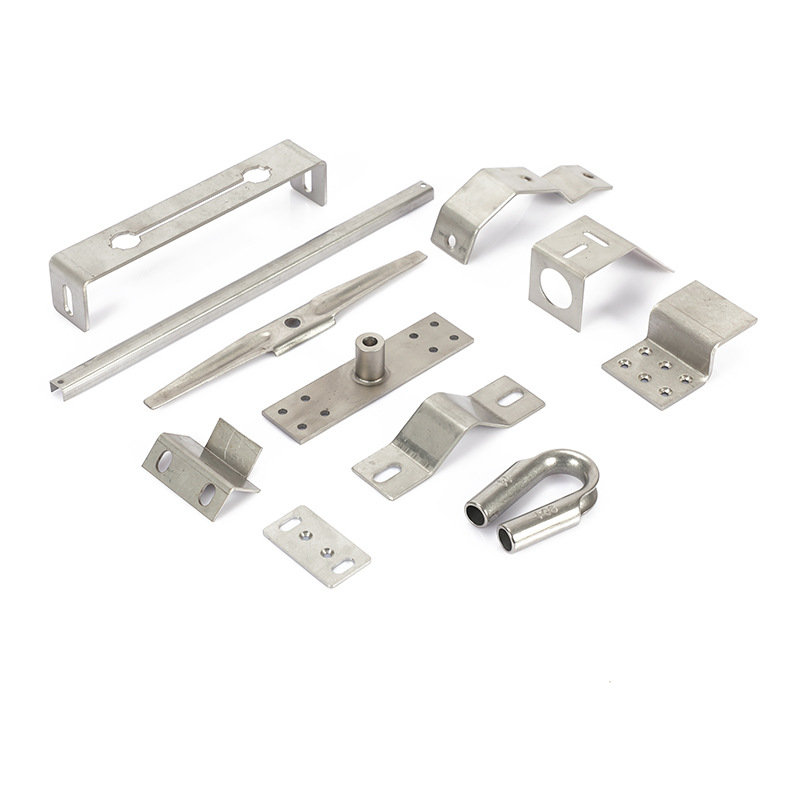
Bending processing of metals
In bending processing, metal bending processing is particularly common, especially for metal sheets, which have the most bending processing and
various processing methods.
Sheet metal processing - This process involves bending metal sheets using universal molds and pressure equipment. It will be introduced in detail in
the next chapter.
Stamping Processing - This process involves using specialized molds and stamping equipment to process metal sheets. The pots, metal spoons, and
other common items around us are all made in this way. The metal parts, holes, badges, etc. of the stapler are also stamped and processed. In addition,
it can also be used to manufacture car body exterior, mechanical parts, and structural components. The shape of the mold determines the shape of the
item to be made, and although the initial cost is high, it is suitable for mass producing items of the same shape.
Rolling processing - is a processing method in which a metal plate is passed through three staggered rolling rolls and formed under pressure. Mainly
used for making the sides of large cylinders, large pipelines and cylinders in systems.
Can making processing - Can making processing refers to the process of manufacturing large structural components such as cans, pipelines, and
scaffolding.
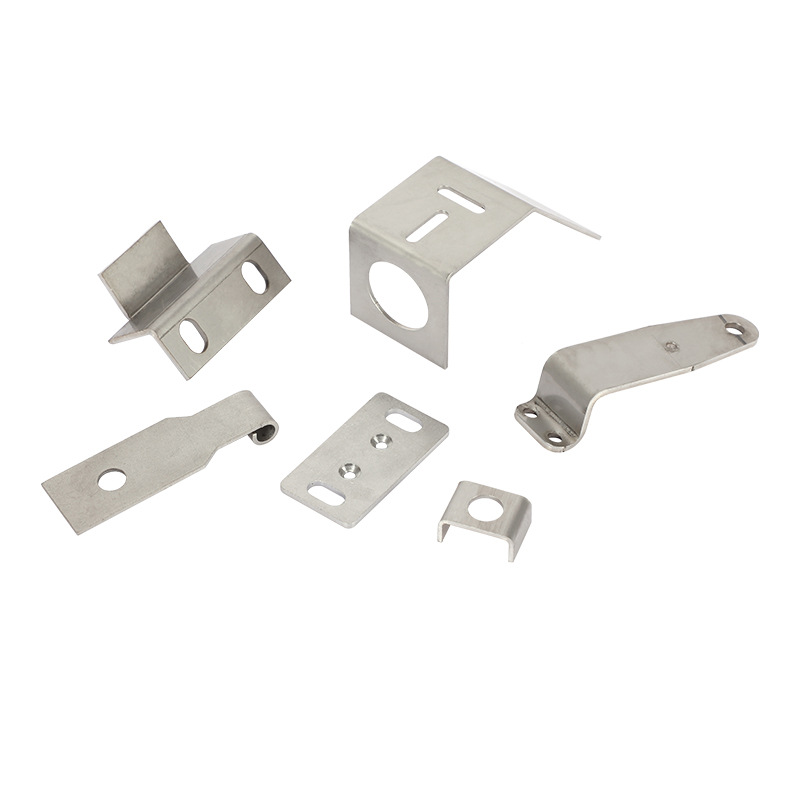
The working principle of bending technology
Sheet metal processing technology includes:
Mold bending - the most common bending process, also known as thrust bending. According to the shape of the mold, V-shaped bending, U-shaped
bending, L-shaped bending, etc. can be performed.
Free bending - by adjusting the descent of the punch and adjusting the bending angle of the V-shaped bend as needed, also known as partial bending.
Bending processing is the process of placing a workpiece (object to be processed) on a fixed mold and applying pressure to the sheet metal through
the upper moving mold to achieve bending processing. Therefore, if the two sides of the workpiece are not fixed at both ends of the fixed mold, bending
processing cannot be carried out.
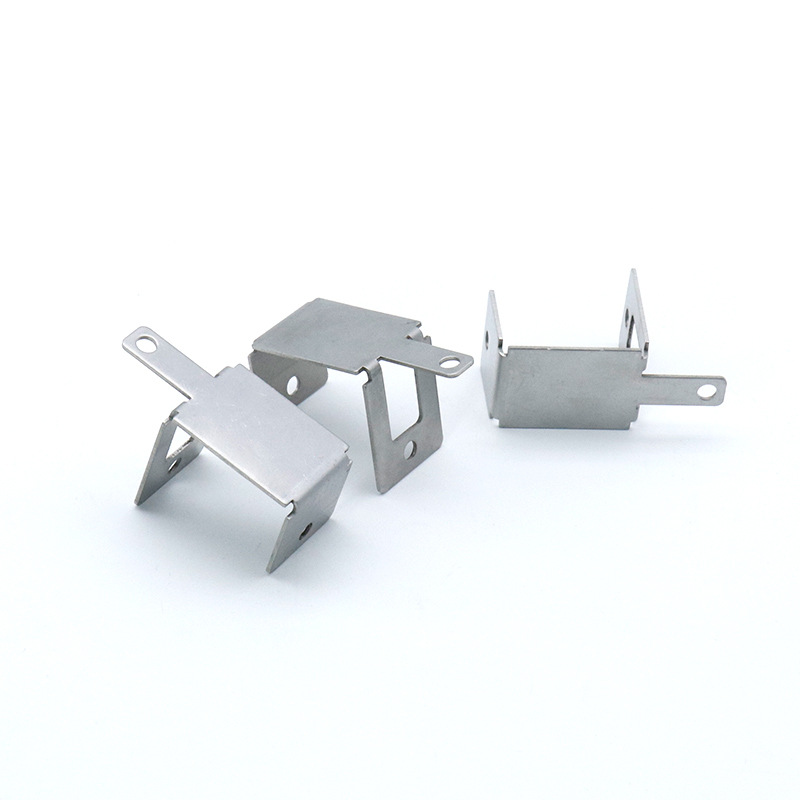
summarize
Bending refers to applying force to an object, causing it to deform, twist, or bend. This process is particularly common in industry where metals and
resins are used as processing materials, but wood and other materials are also used. One of the methods for bending metal is sheet metal processing.