What is a self tapping screw? What is a drill tail screw?
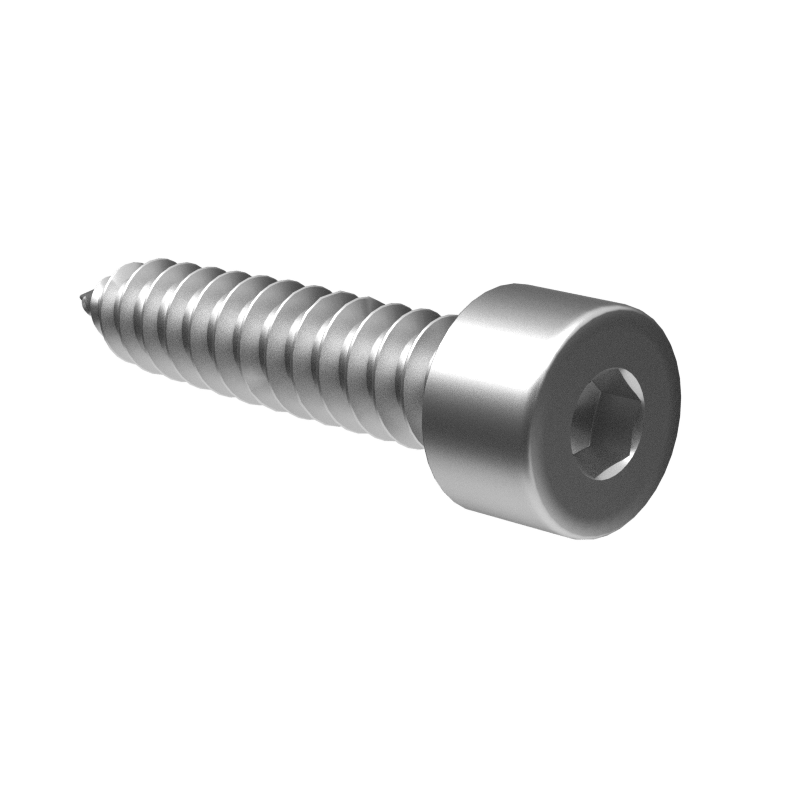
Self tapping nail is a threaded fastener that is used to self tap and drill holes in metal or non-metal materials to match the female thread. Self tapping
screws do not require nuts with female threads, as they drill female threads into the material while screwing in. Triangular self tapping screws, high and
low pressure self tapping screws, etc. all belong to self tapping screws.
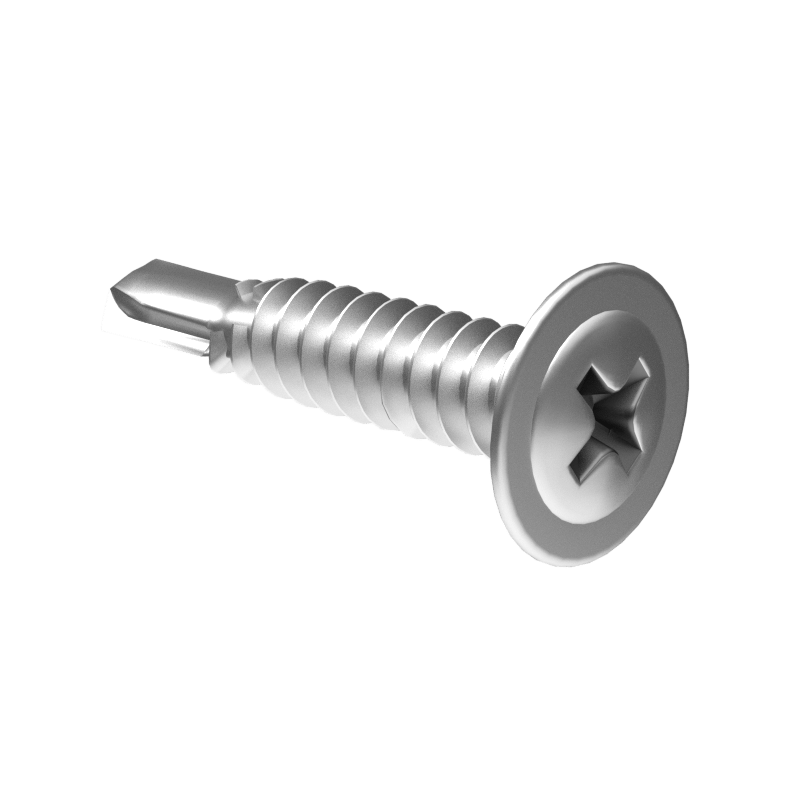
Drill tail screw is a type of wood screw, which is a screw with a self tapping drill hole head at the front end, also known as a self drilling screw.
According
to the different drill tails, it can be divided into: round head millet/cross/plum blossom, countersunk head (flat head)/millet/cross/plum blossom,
hexagonal tile, round head tile (large flat head), horn head, etc.
In fact, there is a great connection between the two. "Self drilling screws" are definitely "self tapping self drilling screws", abbreviated as "self drilling
screws". Because they have a drill tail, they are also called "drill tail screws", while self tapping screws are not necessarily self tapping self drilling
screws. Usually, what we call self tapping screws refer to self tapping screws that require pre drilled holes.
The commonality between self tapping screws and drill tail screws
The nail body has threads and can self attack.
The difference between self tapping screws and drilling tail screws
1. Difference in usage: Self tapping screws are used on non-metallic or relatively soft metals (such as color steel plates) and other materials with low
hardness. They can "drill, squeeze, press, and tap" the corresponding threads of the fixed body on the fixed material through their own threads, making
them tightly fit with each other. And drilling tail screws are mainly used for fixing color steel tiles and thin sheet materials on steel structures.
2. Difference in usage: When self tapping screws are screwed in, corresponding internal threads are formed by squeezing. No need for drilling or
tapping, complete the operation in one go, but it is not recommended to drill multiple times as it may damage the borehole or cause wire slippage.
When using tail screws, there is no need for auxiliary processing, and drilling, tapping, locking, and other operations can be directly completed on the
material in one go, greatly saving installation time.
3. The difference in appearance: Self tapping screws are generally pointed, coarse toothed, hard in texture, with a certain degree of taper, in order to
"self tap", but cannot drill holes, while the head of the screw thread at the end of the drill has a drill bit that can drill holes.