



Internal snap ring specifications
The specifications of internal snap rings mainly include size series and specific size range. Commonly used size series include 1.5mm, 2mm, 3mm, 4mm, 5mm, etc. Different size series of internal snap rings are suitable for different application scenarios:
1.5mm series: Size range is 1.5mm-12mm, suitable for small mechanical connections
2mm series: Size range is 2mm-24mm, suitable for medium-sized mechanical connections.
3mm series: Size range is 3mm-42mm, suitable for larger mechanical connections.
4mm series: Size range is 4mm-70mm, suitable for larger size mechanical connections.
5mm series: Size range is 5mm-110mm, suitable for very large mechanical connections.
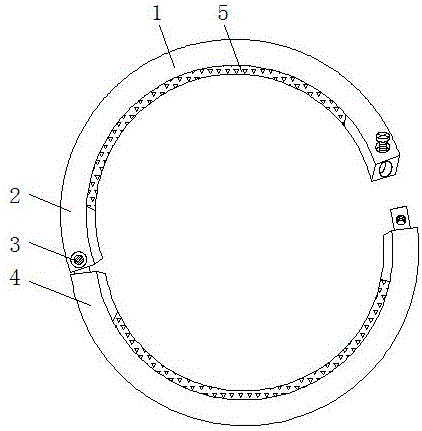
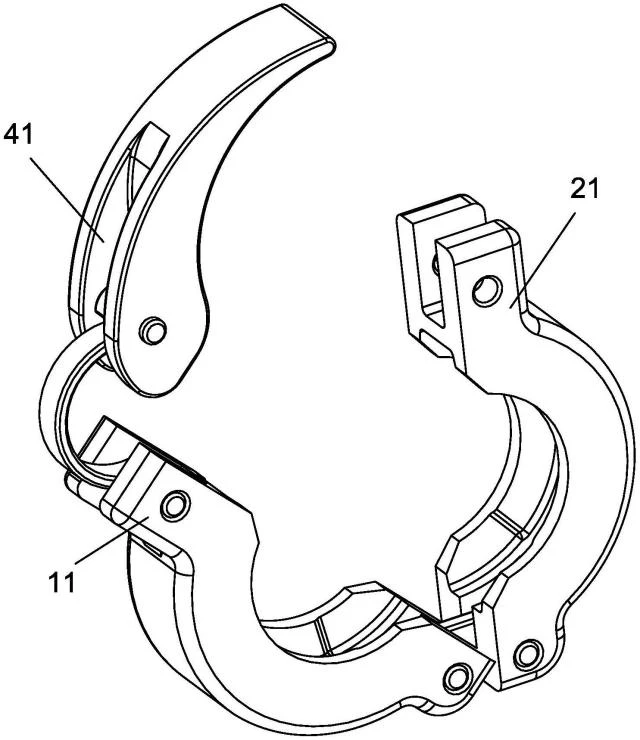
In addition, internal snap rings are usually used for mechanical connections, installed in axial grooves or holes, to fix axial assembly components (such as shafts, gears) to fixed components (such as housings, brackets). They are widely used in mechanical engineering fields, such as automobiles, airplanes, railways, etc., as well as in electronic and electrical fields, such as televisions, computers, mobile phones, etc..
·All sizes are in stock. Fast delivery and shipped in bulk. Custom snap rings can be produced overnight if needed.
 |
 |
The main features of the internal snap ring include the following aspects
Retention and stabilizing effect: The internal clasp enters the undercut area through the tip of the clasp arm to produce a retention effect and prevent the denture from dislocating in the occlusal direction. The initial part of the clasp arm is relatively hard and located in the non-undercut area, which plays a stabilizing role and prevents lateral displacement of the denture.
Material Selection: Internal snap rings are usually made of metal, such as stainless steel, etc. As patients' requirements for aesthetics increase, non-metallic materials similar in color to the teeth or gums, such as acetal resin, polyether ether ketone, etc., are also used to reduce metal exposure and improve the aesthetic effect
Design features: The design of the internal clasp can hide the metal part, for example, by designing it in the undercut area of the abutment or using a short clasp arm to reduce metal exposure. In addition, it can also be put in by rotating it into place to further reduce the exposure of the metal clasp.
Indications: The internal clasp is suitable for various dentition defects, especially when the front teeth or premolars are abutments. Through reasonable design, damage to the abutment teeth can be reduced and good retention and stabilization effects can be maintained.
Function: The internal clasp not only plays a role in retention and stabilization, but also prevents food impaction and protects the health of the periodontal tissue of the abutment teeth and the soft and hard tissues of the edentulous area.
In summary, the main features of internal clasps include their retention and stabilizing effects, material selection, design features, indications, and functions. These features together ensure its effectiveness and aesthetics in denture Restoration
 |
 |
Snap ring processing method
Snap ring is a common part in the mechanical field and is widely used in various mechanical equipment. There are various processing methods, and different processing methods have an important impact on the quality and performance of the snap ring.
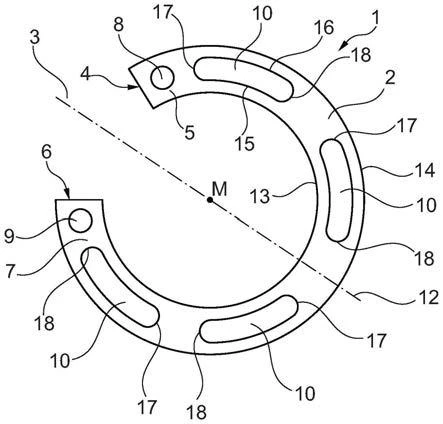
1. Overview
Snap ring, also known as elastic clamp ring or circlip, is an elastic ring-shaped part. Its main function is to fix, seal and connect. There are many types of clasps, which can be divided into metal clasps, non-metal clasps, etc. according to their materials. When processing the snap ring, the appropriate processing method should be selected based on its material, use and performance requirements.
2. Snap ring processing method
1. Stamping processing
Stamping is a common processing method for metal snap rings and is suitable for mass production. The main process flow is: raw material uncoiling, cutting, stamping, trimming, deburring, etc. Stamping processing has the advantages of high production efficiency, low cost and high precision.
2.Forging processing
Forging processing is suitable for metal snap rings with high strength and high wear resistance. The main process flows are: raw material heating, forging, heat treatment, machining, etc. Forging processing can improve the mechanical properties of the snap ring, making it have better wear resistance and impact resistance.
3. Turning processing
Turning is a common precision machining method, suitable for snap rings with high precision requirements. Turning processing mainly uses CNC lathes to process the outer circle, inner hole, end face, etc. of the snap ring. Turning has the advantages of high processing precision and good surface quality.
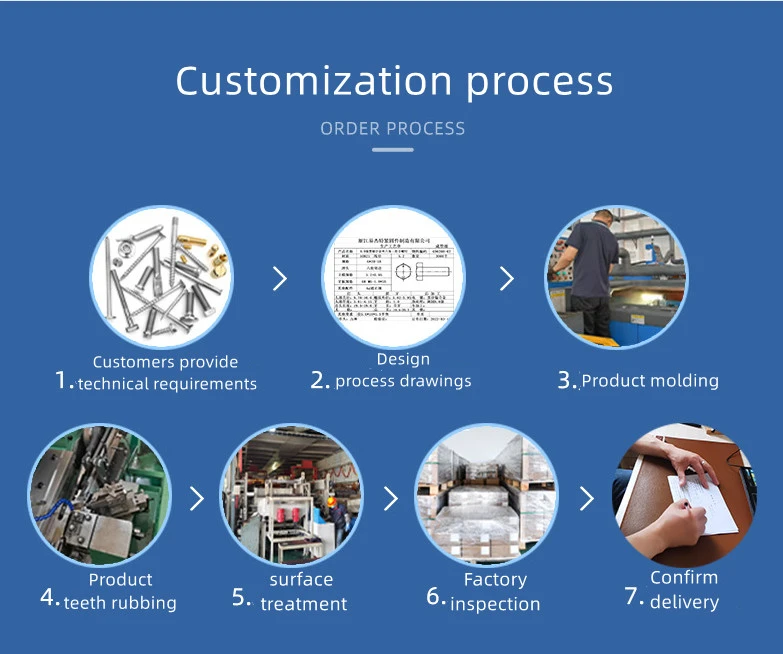
Custom internal snap ring:
·Applications: Designed for specialized applications requiring unique specifications.
·Installation method: Customized installation according to specific application requirements.
·Benefits: Customized specifications to meet unique project needs, ensuring optimal performance.
Customization options:
Custom Sizes: We offer snap rings in standard and custom sizes to meet specific project requirements. Our advanced processing capabilities ensure a perfect fit for your application.
Material Selection: Depending on the application and environmental conditions, we offer snap rings made of materials.