



Specifications of retaining ring
Fixing Ring N20: This fastening ring consists of a fixed ring and contact gel. The fixed ring materials are formaldehyde copolymer, transparent polyethylene film, acrylic adhesive and paper stickers. Contact gel ingredients include deionized water, propylene glycol, polyvinylpyrrolidone, and preservatives. Its specifications are 905-873 and its outer diameter is 20mm12.
GB305 spring retaining ring: This spring retaining ring is used for bearings. The specifications range from Φ20 to Φ250. The material is spring steel 65Mn, and the surface treatment is oxidized black. It is a national standard product.
Separable fixed ring: This fixed ring has a variety of specifications, including separated inner diameter 38MM (387018), separated inner diameter 6MM (6208), separated inner diameter 8MM (8258), etc., which are suitable for different optical axis fixing needs.
These retaining rings have different applications in industrial and medical fields. For example, the GB305 spring retaining ring is used for fasteners in the mechanical industry, while the retaining ring N20 is used with TCM transcutaneous monitors for medical monitoring. The separate fixing ring is suitable for fixing and clamping the optical axis.
·All sizes are in stock. Fast delivery and shipped in bulk. Custom retaining rings can be produced overnight required.
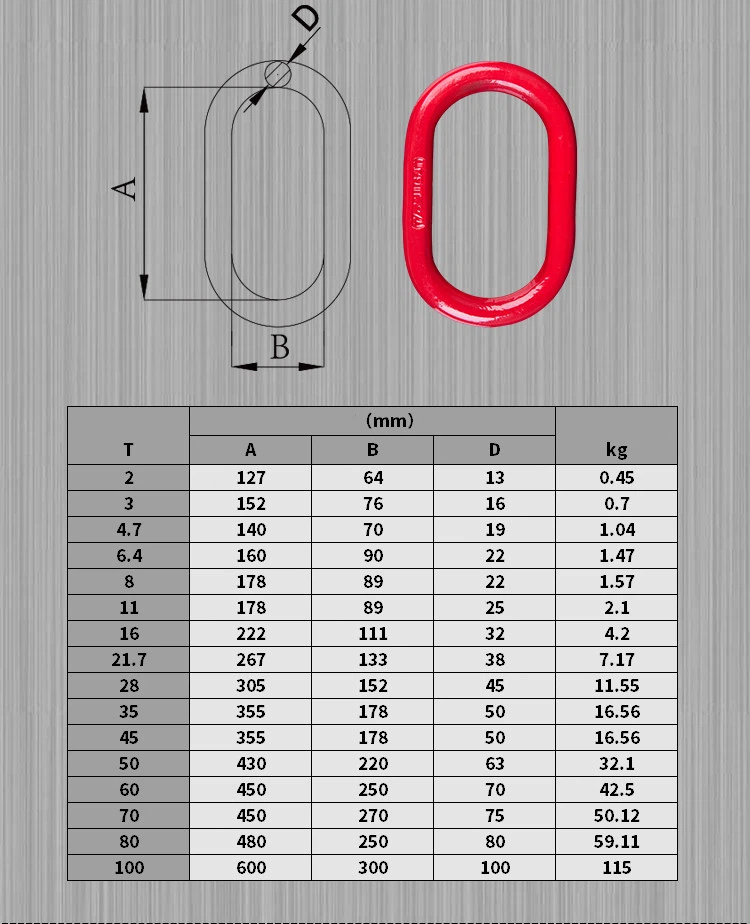
Function and characteristics of fixed ring
1. The function of the fixed ring
The retaining ring is an important tool in the cementing process. It is mainly used to fix the casing to prevent displacement in the horizontal and vertical directions. The retaining ring can directly clamp the casing so that it is close to the well wall. The retaining ring can also be used to protect the casing from damage by atmospheric pressure and underground water pressure, and can effectively prevent the leakage of gas and liquid in the well.
2. Characteristics of fixed ring
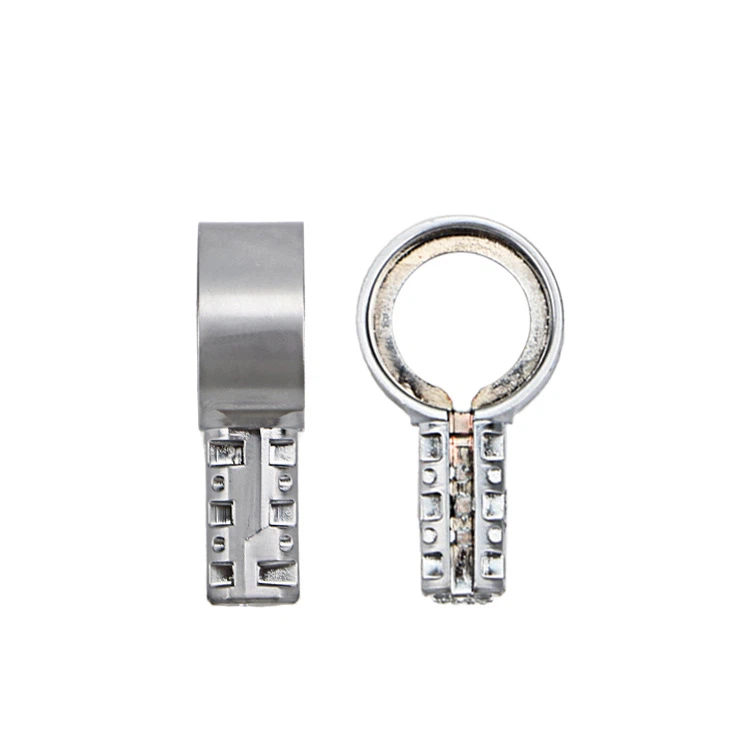
1. Simple structure: The fixed ring is usually composed of two half rings symmetrical on both sides, and some also have accessories such as lower hooks.
2. Easy to install: The fixing ring can be easily installed on the casing, just snap it on the casing.
3. Corrosion resistance: Fixed rings are generally made of high-quality materials and have a high degree of corrosion resistance.
4. Strong adaptability: The fixed ring is suitable for various types of wells, including horizontal wells, vertical wells, and inclined wells.
5. Strong functionality: The retaining ring can help prevent the casing from shifting in the horizontal and vertical directions, and at the same time protect the casing from damage by atmospheric pressure and underground water pressure, ensuring the safety and stability of the wellbore.
In short, the retaining ring plays a very important role in the cementing process. It not only helps to fix the casing and prevent it from shifting, but also protects the casing from damage by atmospheric pressure and underground water pressure. At the same time, due to its simple structure, easy installation, corrosion resistance, strong adaptability and strong functionality, the fixed ring has a wider range of uses.
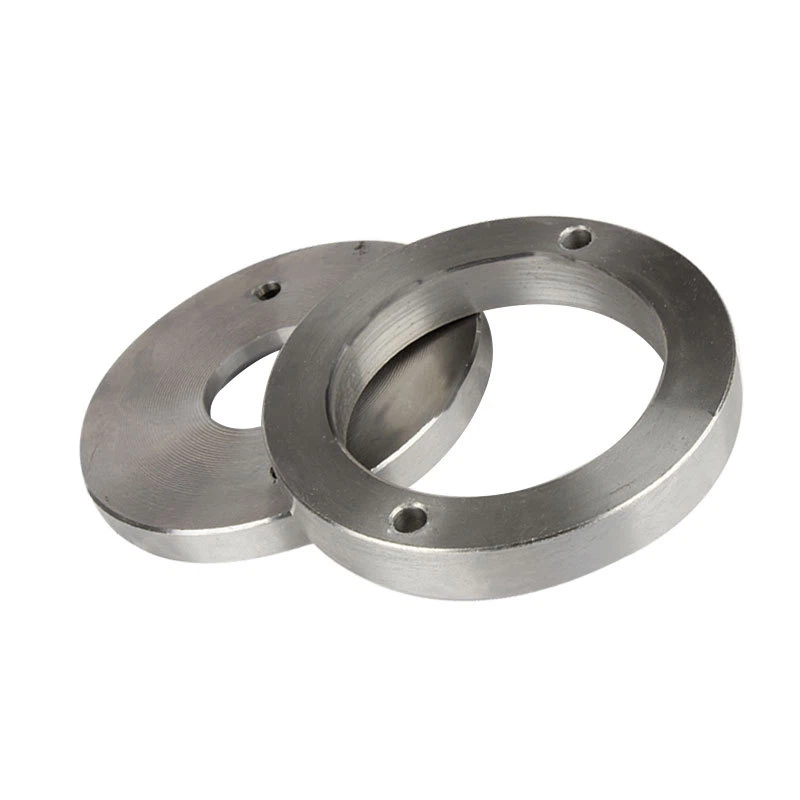
Retaining ring material selection
1. Material selection
Material selection is the first step in manufacturing a high-quality retaining ring. Different materials have different physical and chemical properties and are suitable for different working environments and load conditions. Here are several common retaining ring materials and their characteristics:
Stainless steel: It has good corrosion resistance and wear resistance, and is suitable for humid or corrosive environments.
However, stainless steel has relatively low strength and hardness, making it unsuitable for extremely high loads.
Carbon steel: It has high strength and hardness and is suitable for situations where it can bear larger loads.
However, carbon steel has poor corrosion resistance and is prone to rust, so it requires appropriate surface treatment.
Alloy steel: By adding alloy elements, alloy steel maintains high strength and hardness while also having good corrosion resistance and wear resistance.
The price of alloy steel is relatively high, but it is suitable for occasions with extremely high performance requirements.
 |
 |
|
2. Forging
Forging is the process of changing the shape of a metal material by applying pressure or impact. In the manufacture of fixed rings, the main purpose of forging is to improve the internal structure of the metal and improve its mechanical properties. The following are key control points during the forging process:
Heating temperature: If the heating temperature is too high, the metal grains will become coarse and the strength and toughness of the material will be reduced; if the heating temperature is too low, plastic deformation will not be achieved.
Therefore, the heating temperature needs to be strictly controlled within an appropriate range.
Deformation speed and cooling speed: Too fast a deformation speed will cause excessive internal stress in the metal and cause cracks; too slow a deformation speed will affect production efficiency.
The control of cooling rate is equally important, and the appropriate cooling method needs to be selected according to the characteristics of the material.
3. Turning and milling
Turning and milling are key processes for machining the basic shape and dimensions of retaining rings. The following are the critical control points in these two processes:
Machine tool precision: High-precision machine tools can ensure that the processed fixed rings have high dimensional accuracy and surface quality.
Tool selection: Select appropriate tool materials and geometries to improve machining efficiency and surface quality.
Cutting parameters: The control of parameters such as cutting speed, feed rate and cutting depth is crucial to processing quality and efficiency.
4. Drilling and Tapping
Drilling and tapping are key processes in creating threaded holes in retaining rings. The following are the critical control points in these two processes:
Position accuracy: The position accuracy of the threaded hole directly affects the connection reliability of the fixed ring and other components.
Thread quality: The depth, profile and surface quality of the thread must meet relevant standards to ensure the firmness and sealing of the connection.
5. Heat treatment and surface treatment
Heat treatment and surface treatment are key steps to improve the mechanical properties and corrosion resistance of retaining rings. The following are the critical control points in these two processes:
Heat treatment process: Select the appropriate heat treatment process according to the characteristics of the material, such as quenching, tempering, etc., to improve the hardness and toughness of the material.
Surface treatment methods: Commonly used surface treatment methods include plating (such as galvanizing, chromium plating, etc.), spraying (such as paint, powder coating, etc.) and chemical treatment (such as phosphating, oxidation, etc.).
 |
 |
Custom retaining ring:
·Applications: Designed for specialized applications requiring unique specifications.
·Installation method: Customized installation according to specific application requirements.
·Benefits: Customized specifications to meet unique project needs, ensuring optimal performance.
Customization options:
Custom Sizes: We offer retaining rings in standard and custom sizes to meet specific project requirements. Our advanced processing capabilities ensure a perfect fit for your application.
Material Selection: Depending on the application and environmental conditions, we offer retaining rings made of stainless steel, galvanized steel, carbon steel and other specialty materials.
Surface treatment: In order to enhance corrosion resistance and durability, we provide various plating (such as galvanizing, chrome plating, etc.), spraying (such as paint, powder coating, etc.) and chemical treatment (such as phosphating, oxidation, etc.).
